
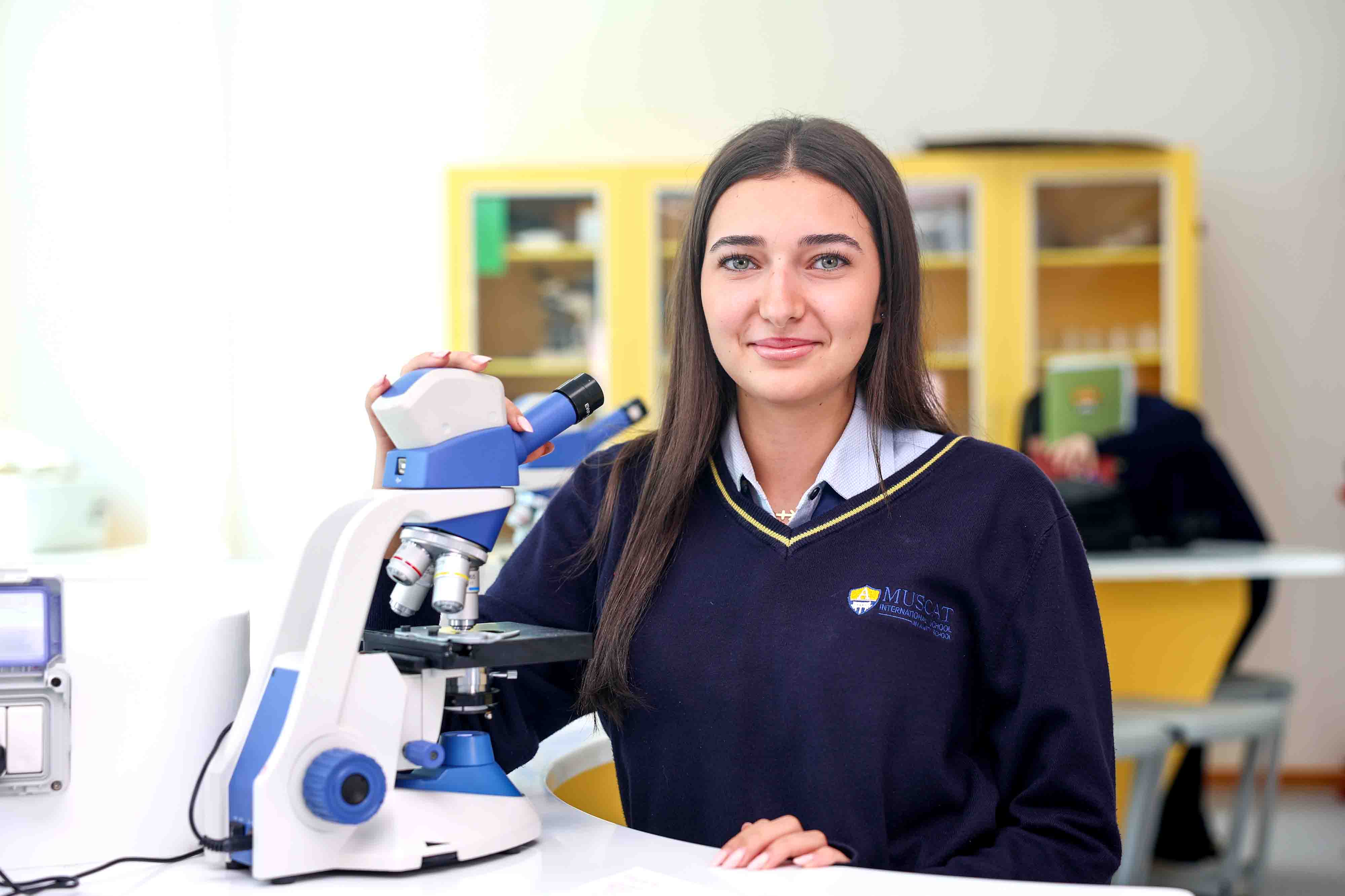
Education is no longer limited to textbooks, exams, and classrooms alone. In today’s rapidly changing world, students need more than academic knowledge to succeed. They need confidence, creativity, communication skills, emotional intelligence, leadership abilities, and the flexibility to adapt to global challenges. This is where international schools play a major role in shaping well-rounded students.
International schools are designed to support the complete growth of a child by combining high-quality academics with personal development, global awareness, and practical learning experiences. They create environments where students are encouraged to think independently, express themselves confidently, and prepare for future success.
At Muscat International School By Amity, students benefit from a modern learning environment, British curriculum education, and a holistic approach that focuses on academic excellence alongside emotional, social, and creative development. The school provides education for students aged 3 to 18 and emphasises curiosity, confidence, and future readiness.
International schools are different from traditional schools because they focus on both academic achievement and overall student development. Their educational systems are often designed around internationally recognised curricula that encourage critical thinking, communication, collaboration, and innovation.
These schools typically provide:
Instead of only memorising information, students learn how to solve problems, work in teams, and apply knowledge in real-life situations.
One of the most important ways international schools support student growth is through high-quality education. Students receive structured academic programmes that help build strong foundations from an early age.
Many international schools follow globally recognized systems such as:
These programmes focus on understanding concepts rather than simple memorisation. Students are encouraged to ask questions, participate in discussions, and explore subjects in greater depth.
Research-based teaching methods help students develop stronger analytical and problem-solving abilities that are useful throughout life.
Modern careers require creative thinkers and problem solvers. International schools encourage students to think independently and develop original ideas.
Teachers often use:
This learning style helps students become more confident in expressing opinions and solving challenges creatively.
Creativity is also encouraged through art, music, drama, technology, and innovation-based activities that allow students to discover their talents and interests.
Student growth is not only academic. Emotional and social development is equally important.
International schools create supportive environments where students learn:
Students interact with classmates from different cultures and backgrounds, helping them become more open-minded and socially aware.
Positive relationships with teachers and classmates also improve confidence and emotional well-being.
One major advantage of international schools is cultural diversity. Students often study alongside classmates from different nationalities, languages, and traditions.
This multicultural environment teaches students:
These experiences prepare students for international universities and global workplaces where cultural understanding is highly valuable.
International exposure also helps students become more adaptable and confident when interacting with people from different backgrounds.
Communication skills are essential for academic and professional success. International schools place strong importance on helping students communicate effectively.
Students improve skills through:
Strong communication skills help students express ideas clearly, participate confidently, and build leadership abilities.
English-medium education in many international schools also prepares students for higher education and international career opportunities.
Technology has become an important part of modern education. International schools often integrate digital tools and smart learning systems into classrooms.
Students may use:
Technology-based learning helps students become digitally skilled and comfortable using modern educational tools.
As industries become more technology-driven, digital literacy becomes a critical skill for future careers.
Physical health plays an important role in student growth. International schools encourage active lifestyles through sports and fitness activities.
Students often participate in:
Sports help students build:
Physical activities also improve mental wellbeing and help students maintain healthy lifestyles.
Co-curricular activities help students explore interests beyond academics. International schools provide opportunities for students to participate in various creative and skill-based programs.
These activities may include:
Such experiences help students develop confidence, creativity, and practical skills while discovering their passions.
Participation in extracurricular activities also strengthens university applications and future career profiles.
International schools help students prepare for higher education and future careers by focusing on both academic and life skills.
Students learn:
Many schools also provide university counseling and career guidance to help students make informed decisions about their future.
Students become better prepared for university environments that require independent thinking and responsibility.
Confidence is one of the biggest factors in student success. International schools encourage students to participate actively in learning and decision-making.
Students gain confidence through:
As students grow, they become more independent learners capable of managing responsibilities and solving problems on their own.
Every child learns differently. International schools often focus on personalized learning approaches that support different learning styles and abilities.
Teachers may provide:
This approach helps students progress at their own pace while building confidence and improving academic performance.
A safe environment is essential for student growth. International schools usually focus heavily on student well-being and positive school culture.
Students benefit from:
When students feel safe and supported, they perform better academically and socially.
The future job market will require more than academic qualifications alone. Students will need adaptability, creativity, communication skills, and digital knowledge.
International schools prepare students for future challenges by teaching:
These skills help students succeed in universities, workplaces, and rapidly changing industries.
How do international schools help students grow academically?
International schools provide structured curricula, modern teaching methods, and interactive learning experiences that help students build strong academic foundations.
Why are international schools good for personal development?
They focus on communication, confidence, leadership, emotional wellbeing, and social skills alongside academics.
Do international schools help students prepare for university?
Yes, international schools often provide university guidance, advanced academic programs, and independent learning skills that prepare students for higher education.
How do multicultural environments benefit students?
Students learn cultural understanding, global communication, and respect for diversity, which are valuable in international careers and universities.
Why are extracurricular activities important in international schools?
Activities like sports, music, drama, and clubs help students develop creativity, teamwork, confidence, and leadership abilities.
How do international schools support emotional well-being?
They create supportive environments with positive teacher relationships, counseling support, and student well-being programs.
Do international schools use technology in learning?
Yes, many international schools integrate digital tools, smart classrooms, and online learning systems into education.
Can international schools help improve communication skills?
Yes, students regularly participate in discussions, presentations, debates, and collaborative activities that improve communication abilities.
International schools play a major role in helping students grow academically, socially, emotionally, and creatively. They provide modern educational experiences that go beyond traditional classroom learning and prepare students for future success in a globalized world.
By combining strong academics with leadership opportunities, co-curricular activities, technology integration, and multicultural learning environments, international schools help students become confident, skilled, and future-ready individuals. Schools that focus on holistic development create environments where children not only achieve academic success but also develop the personal qualities needed to thrive in life.